


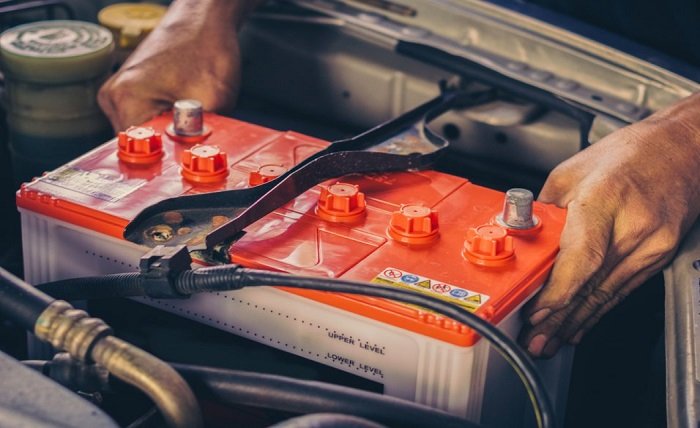
Replacing a car battery for the first time can feel intimidating, but it’s one of the most straightforward maintenance tasks a driver can learn. A healthy battery is essential for starting your vehicle, powering electronics, and supporting modern systems like infotainment, safety sensors, and keyless entry. When a battery begins to fail, it often does so with little warning, making preparation and understanding especially important. Drivers researching a jeep gladiator battery replacement often discover that learning the basics ahead of time can prevent unnecessary stress and roadside issues.
Knowing how batteries are designed for specific vehicles and recognizing when replacement is necessary helps beginners approach the process with confidence. With the right information, battery replacement becomes a manageable and cost-effective task.
Batteryes Desgined For Your Car
Car batteries are not one-size-fits-all. Each vehicle is engineered with specific electrical requirements, physical dimensions, and power demands. Batteries are categorized by group size, which determines the battery’s dimensions, terminal placement, and fitment. Choosing the correct group size ensures the battery fits securely in the tray and connects properly to the vehicle’s cables.
Beyond size, batteries are also rated by cold cranking amps (CCA). CCA measures how well a battery can start an engine in cold temperatures. Vehicles driven in colder climates or with higher electrical demands typically require batteries with higher CCA ratings to ensure reliable starts year-round.
Modern vehicles place greater demands on batteries than older models. Advanced electronics, driver assistance systems, and start-stop technology all increase power consumption. This makes selecting a battery designed specifically for your vehicle even more important.
Vehicle layout also influences battery selection. Some batteries are located in traditional engine bay positions, while others may be tucked under seats, in trunks, or behind panels. Knowing the correct battery type simplifies installation and reduces the risk of compatibility issues. For example, replacing a 2008 jeep wrangler battery requires attention to both size and power output to meet off-road and accessory demands.
Battery construction varies as well. Some batteries are designed for higher vibration resistance, making them better suited for off-road vehicles or rough driving conditions. Others are optimized for compact engine bays and limited airflow, requiring enhanced durability and heat resistance.
Installing the wrong battery can lead to poor performance, premature failure, or electrical issues. A battery that’s too small may struggle to supply enough power, while one that’s improperly sized may shift during driving and cause internal damage. Selecting a battery designed for your car ensures optimal performance and longevity.
When Should You Replace Your Battery?
Knowing when to replace a battery is just as important as choosing the right one. Most car batteries last between three and five years, depending on climate, driving habits, and electrical usage. Extreme heat and cold both accelerate battery wear, reducing overall lifespan.
Slow engine cranking is one of the most common warning signs. If the engine turns over sluggishly or hesitates before starting, the battery may be losing capacity. This symptom often appears before complete failure, providing an opportunity for proactive replacement.
Electrical issues can also signal battery problems. Dim headlights, flickering interior lights, or malfunctioning accessories may indicate inconsistent voltage delivery. Because modern vehicles rely heavily on stable electrical power, these symptoms should not be ignored.
Warning lights are another indicator. Many vehicles monitor battery health and charging system performance. If a battery or charging-related warning light appears, it’s important to test the battery promptly to avoid unexpected failure.
Short trips can contribute to early battery replacement. Frequent short drives don’t allow the alternator enough time to fully recharge the battery, leading to gradual power loss. Vehicles used primarily for short commutes may require battery replacement sooner than those driven longer distances.
Battery testing provides clarity when symptoms are unclear. Load testing and voltage checks help determine whether a battery is nearing the end of its service life. Replacing a battery before total failure prevents inconvenient breakdowns and reduces strain on the starter and alternator.
Certain vehicles require additional considerations during replacement. For example, a mini cooper battery replacement often involves electronic registration or reset procedures to ensure the vehicle recognizes the new battery properly. Understanding these requirements ahead of time helps avoid post-installation issues.
Conclusion
Battery replacement is an essential skill for beginners looking to maintain vehicle reliability and avoid unexpected breakdowns. Understanding how batteries are designed for specific vehicles and recognizing the warning signs of failure makes the process far less intimidating. Replacing a battery at the right time protects electrical systems, ensures dependable starts, and supports long-term vehicle performance. With the right preparation and knowledge, battery replacement becomes a simple maintenance task that delivers peace of mind every time you turn the key.