
Vein health is often overlooked, yet it plays a crucial role in overall well-being. As more individuals become aware of the impact that venous disorders can have, the demand for effective treatment solutions continues to grow. For those seeking expert care, consulting a trusted vein specialist near Arcadia can provide accurate diagnosis and personalized treatment planning.
This article explores the various treatment options available, highlighting innovative techniques and lifestyle changes that contribute to lasting results in vein health. Whether you’re dealing with varicose veins, spider veins, or more advanced venous conditions, understanding available therapies and making informed decisions is essential for achieving optimal outcomes and long-term comfort.
Understanding Vein Health
Common Venous Disorders and Their Impact
Venous disorders affect millions of individuals worldwide, leading to discomfort and diminishing quality of life. Common conditions like varicose veins, spider veins, and chronic venous insufficiency not only present cosmetic issues but can also result in pain, swelling, and fatigue.
Varicose veins can cause blood to pool in the legs, leading to increased pressure and potential complications, such as skin ulcers or blood clots. Spider veins, while typically less severe, can still affect self-esteem and prompt individuals to seek treatment.
The Importance of Early Diagnosis
Early diagnosis of venous conditions is essential to prevent more severe complications down the line. Regular check-ups and monitoring can lead to timely interventions, significantly improving outcomes. When symptoms such as leg swelling, cramping, or fatigue occur, consulting a healthcare professional becomes crucial. By addressing issues promptly, individuals can often choose less invasive treatment options and enhance their overall vein health.
Innovative Treatment Options
Endovenous Laser Treatment (EVLT)
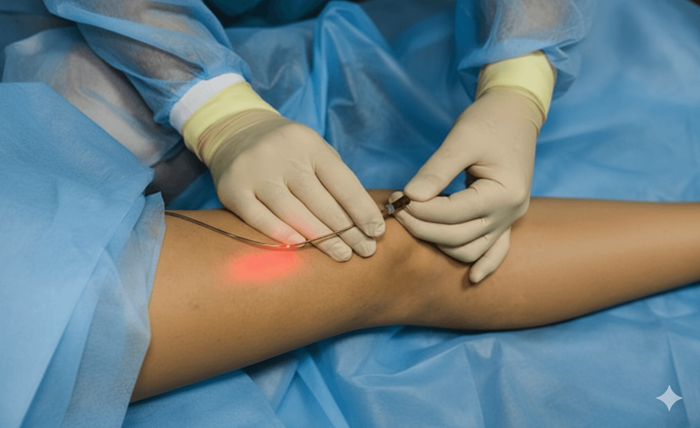
Endovenous Laser Treatment has emerged as a leading method for treating varicose veins. This minimally invasive procedure uses laser energy to seal off affected veins, allowing blood flow to redirect to healthier veins. Patients typically experience minimal discomfort and a rapid recovery, making it an appealing option for many.
Sclerotherapy: A Targeted Approach
Sclerotherapy is another highly effective treatment for spider and small varicose veins. In this procedure, a sclerosing agent is injected directly into the vein, causing it to collapse and fade from view. Often completed within a short appointment, sclerotherapy requires no anesthesia and offers quick results.
Radiofrequency Ablation (RFA)
Radiofrequency Ablation employs heat generated by radio waves to close off problematic veins, similar to EVLT. This method is particularly successful for larger veins and allows for outpatient treatment. The recovery process is swift, with many patients resuming normal activities shortly after the procedure.
Lifestyle Changes for Better Vein Health
Exercise and Its Benefits
Regular physical activity is key to maintaining healthy veins. Activities that promote circulation, such as walking, cycling, and swimming, can alleviate pressure in the legs and improve blood flow. Many healthcare providers recommend a combination of aerobic exercise and strength training for optimal results.
Dietary Considerations
Nutrition plays a significant role in vein health. A diet rich in fiber can prevent constipation, which may exacerbate venous issues. Foods that are high in antioxidants, such as fruits and vegetables, can also support vascular health. Staying hydrated is crucial, as it improves blood circulation and helps maintain vein function.
Compression Therapy
Compression stockings are often recommended for individuals at risk of developing venous disorders. They apply graduated pressure to the legs, which enhances blood flow and can help prevent swelling. Many find these stockings comfortable and beneficial, especially for long periods of standing or sitting.
Choosing the Right Specialist
Questions to Ask Before Treatment
Selecting the right specialist for vein treatment is crucial. Patients should not hesitate to ask questions about the procedures offered, expected outcomes, and recovery experiences. Understanding the process and having transparency from the healthcare provider fosters trust and eases anxiety.
Evaluating Qualifications and Experience
Researching a specialist’s qualifications and experience is vital. Patients should verify board certifications, years of practice, and specific training in venous treatments. Client testimonials and case studies can also provide insight into a practitioner’s expertise and reliability.
Ensuring a Personalized Treatment Plan
Each venous condition is unique, so a one-size-fits-all approach rarely works. It is essential for patients to seek specialists who provide a thorough evaluation and develop a personalized treatment plan tailored to their specific needs. This tailored approach often leads to better outcomes.
Conclusion
Effective vein treatment solutions are more accessible than ever, combining innovative medical techniques with lifestyle changes that empower individuals to take control of their vein health. By understanding venous disorders, exploring advanced treatment options, and maintaining a proactive approach to lifestyle choices, patients can achieve lasting results. Eventually, consulting with qualified specialists can help individuals navigate their treatment journey, ensuring personalized plans that cater to specific health needs.