
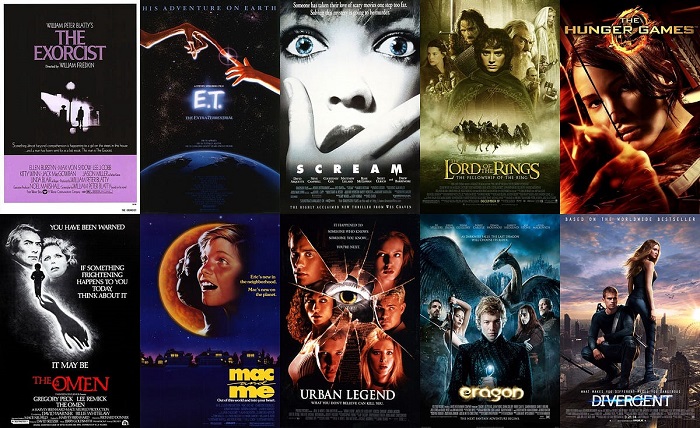
Downloading a new movie costs more than storage.
It costs time, attention, and often patience. You commit before you know the payoff. Two hours later, you either feel satisfied or feel tricked.
That uncertainty is why the choice can feel like a gamble. You make a decision with incomplete information. You rely on signals. A poster. A cast name. A short synopsis. A rating that may not match your taste.
This article explains why movie downloads feel “hit or miss,” and how people try to reduce the risk without killing the fun.
Choosing Without Watching Creates Risk
You choose a movie before the movie chooses you.
A trailer shows highlights, not rhythm. A rating shows averages, not mood. Reviews reflect other people’s tastes, not yours. You commit with partial data.
That setup feels familiar. It mirrors situations like an aviator casino game online, where you act on signals and timing, not certainty. The outcome reveals itself only after the choice is locked.
With movies, the stakes are smaller but personal. You risk boredom. You risk disappointment. You risk the feeling that your evening slipped away.
Because the risk is real, people hesitate. They scroll. They compare. They delay. The decision becomes heavier than the download itself.
That weight is the gamble. Not the file. The unknown experience behind it.
Signals Replace Certainty When Information Is Thin
When you lack full information, you look for signals.
Cast names act as shortcuts. A familiar actor suggests a baseline quality. A known director hints at style. Genre tags promise a mood. None of these guarantee enjoyment. They only tilt the odds.
People also read patterns. “This studio usually delivers.” “That franchise burned me last time.” These rules feel rational, even when they fail.
Signals matter because they reduce anxiety. They turn a blind choice into a reasoned one. You may still lose, but you feel less careless.
This is why posters, thumbnails, and short descriptions carry so much weight. They do not sell truth. They sell confidence.
Time Investment Raises The Emotional Stakes
Movies demand continuous attention.
You cannot sample them easily. Ten minutes rarely tells the full story. You must commit a block of time and hope it pays off.
That commitment raises the emotional stakes. A bad meal ends quickly. A bad movie lingers. You feel stuck between quitting and pushing through. Either choice feels like a loss.
This is why disappointment hits harder with films than with short videos. The longer the runtime, the higher the perceived risk before pressing play.
People sense this. They become cautious. They rewatch favorites. They hesitate on unknown titles. The gamble grows with every minute promised.
Familiar Titles Feel Safer Than New Discoveries
Familiarity lowers risk.
A sequel, a remake, or a known franchise offers a map. You know the tone. You expect certain beats. Even if the movie fails, the failure feels contained.
New titles lack that map. They ask for trust. Trust costs energy. When people are tired, they choose safety.
This is why unknown films struggle, even when they are good. The gamble feels unnecessary when a safe option sits nearby. The reward must justify the uncertainty.
For many viewers, comfort wins. Not because they fear risk, but because they manage it.
We Gamble On Movies To Feel Something New
Downloading a new movie feels like a gamble because it is a choice under uncertainty.
You risk time for the chance of surprise. You trade comfort for curiosity. Sometimes you win. Sometimes you don’t.
Signals help. Familiar names help. Still, no method removes doubt. That doubt is part of the experience. It keeps discovery alive.
People do not gamble on movies to lose. They gamble to escape routine. When it works, the reward feels earned. When it fails, the loss teaches caution.
That balance explains why we keep trying. Even after a miss, the next hit feels worth it.